“Advertise Here”

Health and

>> Saturday, 28 November 2009

News Release

FOR IMMEDIATE RELEASE
Thursday, November 19, 2009

Contact: HHS Press Office
(202) 690-6343

Statement by Kathleen Sebelius Secretary of Health and Human Services on the Great American Smokeout

“Breaking a cigarette addiction may be one of the toughest commitments anyone can make. It takes a lot of support. But if you’re a smoker, today you’ll have the support of millions of other soon-to-be ex-smokers, if you join them in the Great American Smokeout.

“Saying no to cigarettes is one of the most important commitments you can make to your health. According to the American Cancer Society, smoking is responsible for nearly 1 in 3 cancer deaths, and 1 in 5 deaths from all causes. Almost 9 million Americans are living with cancer, lung disease, heart disease, and other potentially fatal illnesses, all brought on by using tobacco.

“Even if you just join the Smokeout for 24 hours, you will prove to yourself you have power to quit. And if you can stretch your personal participation in the Great American Smokeout to weeks, months and years, you’ll have made an essential commitment to the rest of your life.”

http://medicalinformation-dobi.blogspot.com/search/label/Health%20and

Read more...

Pregnant

Holiday Food Safety During Pregnancy

Photo: A pregnant womanLearn how to keep you and your unborn baby healthy this holiday season by being food safe.

Photo: A holiday mealThe holiday season is a very exciting time of year filled with parties, family gatherings and lots of food. From turkey and dressing to every type of dessert imaginable, there is never a time of year when food is more of a focus. While it is important that everyone keep food safety in mind during this season, it is especially important for pregnant women to do so.

Pregnant women should keep the following food safety tips in mind as they celebrate the holidays:

  • Wash your hands often with soap and water, especially when

    • Touching raw meat, raw eggs or unwashed vegetables
    • Preparing food
    • Before eating or drinking
  • Try not to share forks, cups, or food with young children. Wash your hands often when around children. Their saliva and urine might contain a virus that could be harmful for you and your unborn baby.

  • Cook your meat until it's well done. The best way to tell that food has been cooked is to use a food thermometer. For more information see Is It Done Yet?Adobe Acrobat PDF Icon (USDA). Do not eat hot dogs, luncheon meats, or deli meats, unless they are reheated until steaming hot. These undercooked meats and processed meats might contain harmful bacteria.

  • Avoid unpasteurized (raw) milk and foods made from it. Do not eat soft cheeses such as feta, brie, and queso fresco unless they have labels that say they are pasteurized. Unpasteurized products can contain harmful bacteria and can cause infections such as Listeriosis which can be very harmful for both you and your unborn baby.

  • Be aware of holiday beverages. Watch out for alcohol-containing holiday punches and eggnogs. Avoid eggnog entirely unless you know it was made with pasteurized eggs and contains no alcohol.

http://medicalinformation-dobi.blogspot.com/search/label/Pregnant

Read more...

Pregnant

Pregnant? Don't Smoke! Learn How and Why to Quit for Good

Photo: A man and woman.Quitting smoking can be hard, but it is one of the best ways a woman can protect herself and her baby's health. For free help, call 1-800-QUIT-NOW (1-800-784-8669).

Most people know that smoking causes cancer, heart disease, and other major health problems. But women who smoke during pregnancy put themselves and their unborn babies at risk for other health problems. The dangers of smoking during pregnancy include premature birth, certain birth defects, and infant death. Even being around cigarette smoke puts a woman and her baby at risk for problems.

Did You Know?

  • Smoking makes it harder for a woman to get pregnant.
  • Women who smoke during pregnancy are more likely than other women to have a miscarriage.
  • Smoking during pregnancy causes major health problems for mom and baby. For example, smoking is one of the causes of problems with the placentaExternal Web Site Policy —the source of the baby's nutrition and oxygen during pregnancy.
  • Smoking during pregnancy can cause a baby to be born too early and have low birth weight—making it more likely the baby will become sick or die.
  • Smoking during and after pregnancy is one of the risk factors of Sudden Infant Death Syndrome (SIDS).
  • Babies born to women who smoke are more likely to have a cleft lip or cleft palate—types of birth defects.

The Good News

Quitting smoking before getting pregnant is best. But for women who are already pregnant, quitting as early as possible can still help protect against some health problems, such as low birth weight. It is never “too late” to quit smoking.

Quit for Good!

It is important to quit smoking for good. Some women might think it is safe to start smoking again after their baby is born. But these babies are not out of harm's way. Babies who are around cigarette smoke have weaker lungs than other babies. They are more likely to have other health problems such as infections and more frequent asthma attacks. Being around cigarette smoke is also one of the risk factors of Sudden Infant Death Syndrome (SIDS).

Though quitting for good can be hard, the benefits are worth it—a healthy baby and many more years of good health to enjoy with him or her.

Free help and support are available for pregnant women and others who want to quit for good.

Read more...

Diabetes

November is American Diabetes Month

People with Diabetes are at increased risk for complications from 2009 H1N1 Flu

Photo: A girl with her mother and grandmother November is American Diabetes Month. People with diabetes are at increased risk for complications from influenza, including 2009 H1N1 flu. There are important steps and everyday precautions that people with diabetes should take in order to stay healthy this flu season.

Diabetes puts people at increased risk for developing complications from the flu, both seasonal and 2009 H1N1, such as hospitalization and death. The flu may interfere with efforts to control blood sugar levels, putting those with diabetes at increased risk of high or low blood sugar if they get sick with the flu.

Read more...

Health and

News Release

FOR IMMEDIATE RELEASE
Thursday, November 19, 2009

Contact: CMS Media Affairs Office
(202) 690-6145

$10 Million in Grants Aimed at Enrolling American Indian, Alaska Native Kids in Health Care to be Awarded

Tribes and Indian Health Providers Urged to Apply

HHS Secretary Kathleen Sebelius today announced the availability of up to $10 million in grants to help reach American Indian and Alaska Native (AI/AN) children who qualify for, but are not yet enrolled, in Medicaid and the Children’s Health Insurance Program (CHIP).

These new grants are part of a broader effort to find and enroll uninsured children who are eligible for Medicaid or CHIP but not enrolled. The Children’s Health Insurance Program Reauthorization Act of 2009 (CHIPRA) set aside $100 million for fiscal years 2009-2013 expressly to help find and enroll eligible uninsured children, including $10 million specifically for Indian health providers.

As called for in CHIPRA, grants will be awarded by the Centers for Medicare & Medicaid Services (CMS) to applicants whose outreach, enrollment and retention efforts will target geographic areas with high rates of eligible but uninsured American Indian and Alaska Native children, who often live in isolated areas and are uninsured at higher-than-average rates.

“American Indian children are often uninsured, although many are eligible for Medicaid and CHIP,” Secretary Sebelius said. “These grants will help Tribes and Indian health providers reach out to children and families to ensure more children get the health care they need.”

Grants will be awarded to applicants that will be able to demonstrate increases in enrollment and improved retention of children already in Medicaid and CHIP. Grantees will report to CMS the number of new enrollees and those who retained coverage that are directly attributable to the grant activities. Grantees will also report activities they believe were the most effective in finding, enrolling and maintaining coverage for eligible children.

“States have been effective in enrolling over 28 million children in Medicaid and more than 7 million children in CHIP, but there are still millions of uninsured, low-income children who are not enrolled in these programs even though they are eligible” said Cindy Mann, the director of the CMS Center for Medicaid and State Operations. “We are looking forward to innovative grant proposals that will put new outreach, enrollment and renewal systems in place to ensure that uninsured Indian children get enrolled and stay enrolled for as long as they are eligible.”

Applications are due by Jan. 15, 2010, and the grants will be awarded on April 15. Grants will be available to:

  • The Indian Health Service;
  • Tribes and Tribal organizations operating a health program; and,
  • Urban Indian organizations operating a health program.

For more information about the outreach and enrollment grants, go to www.cms.hhs.gov/CHIPRA. Questions about the grants may be directed to the CHIPRA grants mailbox AIANCHIPRAOUTREACHGRANTS@cms.hhs.gov

General information about CHIP can be found at www.insurekidsnow.gov.

http://medicalinformation-dobi.blogspot.com/search/label/Health%20and

Read more...

Health and

>> Friday, 27 November 2009

Preventing Weight Gain

couple cookingIf you're currently at a healthy weight, you're already one step ahead of the game. To stay at a healthy weight, it's worth doing a little planning now.

Or maybe you are overweight but aren't ready to lose weight yet. If this is the case, preventing further weight gain is a worthy goal.

As people age, their body composition gradually shifts — the proportion of muscle decreases and the proportion of fat increases. This shift slows their metabolism, making it easier to gain weight. In addition, some people become less physically active as they get older, increasing the risk of weight gain.

The good news is that weight gain can be prevented by choosing a lifestyle that includes good eating habits and daily physical activity. By avoiding weight gain, you avoid higher risks of many chronic diseases, such as heart disease, stroke, type 2 diabetes, high blood pressure, osteoarthritis, and some forms of cancer.

Choosing an Eating Plan to Prevent Weight Gain

So, how do you choose a healthful eating plan that will enable you to maintain your current weight? The goal is to make a habit out of choosing foods that are nutritious and healthful. To learn more, visit Healthy Eating for a Healthy Weight.

If your goal is to prevent weight gain, then you'll want to choose foods that supply you with the appropriate number of calories to maintain your weight. This number varies from person to person. It depends on many factors, including your height, weight, age, sex, and activity level. For more, see Balancing Calories.photo of asian man speed-walking

Get Moving!

In addition to a healthy eating plan, an active lifestyle will help you maintain your weight. By choosing to add more physical activity to your day, you'll increase the amount of calories your body burns. This makes it more likely you'll maintain your weight.

Although physical activity is an integral part of weight management, it's also a vital part of health in general. Regular physical activity can reduce your risk for many chronic diseases and it can help keep your body healthy and strong. To learn more about how physical activity can help you maintain a healthy weight, visit Physical Activity for Healthy Weight.

Self-monitoring

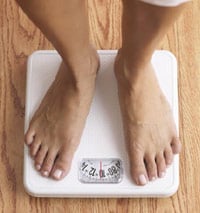
You may also find it helpful to weigh yourself on a regular basis. If you see a few pounds creeping on, take the time to examine your lifestyle. With these strategies, you make it more likely that you'll catch small weight gains more quickly.

photo of feet on scaleAsk yourself—

  • Has my activity level changed?
  • Am I eating more than usual? You may find it helpful to keep a food diary for a few days to make you more aware of your eating choices.

If you ask yourself these questions and find that you've decreased your activity level or made some poor food choices, make a commitment to yourself to get back on track. Set some reasonable goals to help you get more physical activity and make better food choices.

http://medicalinformation-dobi.blogspot.com/search/label/Health%20and


Read more...

Health and

Losing Weight

woman looking in a mirrorWhat is healthy weight loss?

It's natural for anyone trying to lose weight to want to lose it very quickly. But evidence shows that people who lose weight gradually and steadily (about 1 to 2 pounds per week) are more successful at keeping weight off. Healthy weight loss isn't just about a "diet" or "program". It's about an ongoing lifestyle that includes long-term changes in daily eating and exercise habits.

To lose weight, you must use up more calories than you take in. Since one pound equals 3,500 calories, you need to reduce your caloric intake by 500—1000 calories per day to lose about 1 to 2 pounds per week.1

Once you've achieved a healthy weight, by relying on healthful eating and physical activity most days of the week (about 60—90 minutes, moderate intensity), you are more likely to be successful at keeping the weight off over the long term.

Losing weight is not easy, and it takes commitment. But if you're ready to get started, we've got a step-by-step guide to help get you on the road to weight loss and better health.

Even Modest Weight Loss Can Mean Big Benefits

The good news is that no matter what your weight loss goal is, even a modest weight loss, such as 5 to 10 percent of your total body weight, is likely to produce health benefits, such as improvements in blood pressure, blood cholesterol, and blood sugars.2

For example, if you weigh 200 pounds, a 5 percent weight loss equals 10 pounds, bringing your weight down to 190 pounds. While this weight may still be in the "overweight" or "obese" range, this modest weight loss can decrease your risk factors for chronic diseases related to obesity.

So even if the overall goal seems large, see it as a journey rather than just a final destination. You'll learn new eating and physical activity habits that will help you live a healthier lifestyle. These habits may help you maintain your weight loss over time.

In addition to improving your health, maintaining a weight loss is likely to improve your life in other ways. For example, a study of participants in the National Weight Control Registry* found that those who had maintained a significant weight loss reported improvements in not only their physical health, but also their energy levels, physical mobility, general mood, and self-confidence.

http://medicalinformation-dobi.blogspot.com/search/label/Health%20and

Read more...

Health and

Assessing Your Weight

If you've been thinking about your current weight, it may be because you've noticed a change in how your clothes fit. Or maybe you've been told by a health care professional that you have high blood pressure or high cholesterol and that excessive weight could be a contributing factor. The first step is to assess whether or not your current weight is healthy.

How can I tell if I'm at a healthy weight?

Adult Body Mass Index or BMI

One way to begin to determine whether your weight is a healthy one is to calculate your "body mass index" (BMI). For most people, BMI is a reliable indicator of body fatness. It is calculated based on your height and weight.

To calculate your BMI, see the BMI Calculator. Or determine your BMI by finding your height and weight in this BMI Index Chart.

  • If your BMI is less than 18.5, it falls within the "underweight" range.
  • If your BMI is 18.5 to 24.9, it falls within the "normal" or Healthy Weight range.
  • If your BMI is 25.0 to 29.9, it falls within the "overweight" range.
  • If your BMI is 30.0 or higher, it falls within the "obese" range.

"Underweight", "normal", "overweight", and "obese" are all labels for ranges of weight. Obese and overweight describe ranges of weight that are greater than what is considered healthy for a given height, while underweight describes a weight that is lower than what is considered healthy. If your BMI falls outside of the "normal" or Healthy Weight range, you may want to talk to your doctor or health care provider about how you might achieve a healthier body weight. Obesity and overweight have been shown to increase the likelihood of certain diseases and other health problems.

At an individual level, BMI can be used as a screening tool but is not diagnostic of the body fatness or health of an individual. A trained healthcare provider should perform appropriate health assessments in order to evaluate an individual’s health status and risks.

For more, see About Adult BMI.

Waist Circumference

Another way to assess your weight is to measure your waist size. Your waistline may be telling you that you have a higher risk of developing obesity-related conditions if you are:

  • A man whose waist circumference is more than 40 inches
  • A non-pregnant woman whose waist circumference is more than 35 inches

Excessive abdominal fat is serious because it places you at greater risk for developing obesity-related conditions, such as Type 2 Diabetes, high blood cholesterol, high triglycerides, high blood pressure, and coronary artery disease. Individuals who have excessive abdominal fat should consult with their physicians or other health care providers to develop a plan for losing weight.

How To Measure Your Waist Size1

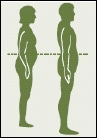
image showing how to measure your waistTo measure your waist size (circumference), place a tape measure around your bare abdomen just above your hip bone. Be sure that the tape is snug, but does not compress your skin, and is parallel to the floor. Relax, exhale, and measure your waist.

Note: The information on these pages is intended for adult men and non-pregnant women only. To assess the weight of children or teenagers, see the Child and Teen BMI Calculator.

http://medicalinformation-dobi.blogspot.com/search/label/Health%20and

Read more...

Alert

Nassau CandyIssues Nationwide Allergy Alert Because Of Possible Undeclared Allergens on their Tasty Dish Snack Tubs of Chocolate Almonds, Chocolate Raisins and Sour Neon Worms

Contact:
Maria Adames, VP R&D and Technical Services
516-433-7100 extension 297

FOR IMMEDIATE RELEASE - November 18, 2009 - Nassau Candy Distributors of Hicksville, New York, is voluntarily recalling possibly unlabeled pegable snack tubs because they contain the following undeclared allergens; Tree Nuts {Almonds}, Soy and Milk and may contain the following undeclared allergens Peanuts, other Tree Nuts {brazil nuts, walnuts, filberts, hazelnuts, pecans, pistachios, macadamia nuts, cashews and coconut}. People who have an allergy to any of these specific types of allergens run the risk of serious or life-threatening allergic reaction if they consume these products.

The Tasty Dish Snack Tubs weredistributed and sold nationwide to Bed Bath & Beyond retail stores.

The products come in clear plastic packages that have a triangular front label identifying the Brand: Tasty Dish, the Product Name: Chocolate Almonds, Chocolate Raisins, or Sour Neon Worms and the Net Weight: Chocolate Almonds are 9.75 oz. (276g), Chocolate Raisins are 11oz. (311), and Sour Neon Worms are 9.5 oz. (269g) and they all have a 4” clear film safety shrink band on them. Sku numbers and UPC numbers listed below.

ITEM DESCRIPTION SKU UPC
TUB MLK ALMND 9.75Z

16915300

444444564610

TUB SOUR WORMS 9.5Z

16915289

444444564603

TUB MLK RAISN 11Z

16915335

444444564627

No illnesses have been reported to date in connection with this problem

This voluntary recall was initiated after receiving a report that a small percentage of the tubs in the retail locations were missing the back label. All of the retails stores have been inspected and any tubs that are missing the back labels have been removed from the shelves. Subsequent investigation indicates the problem was caused by a temporary breakdown in the packaging process. The labeling machine that applied the back label which contains the ingredient statement, nutritional information and allergen listing experienced a mechanical malfunction that went undetected by the operator.

Consumers who have purchased these Tasty Dish Snack Tubs and find no back label containing the ingredient statement, nutritional information and allergen listing are urged not to consume the product and to return it to Bed Bath & Beyond for a full refund. Consumers with questions may contact Nassau Candy directly at 516-433-7100 ext 297, Monday – Friday 9 am -4 pm ET.

Read more...

Health and

World AIDS Day --- December 1, 2009

Since 1998, World AIDS Day has drawn attention to the human immunodeficiency virus/acquired immunodeficiency syndrome (HIV/AIDS) pandemic. The global theme for this year's observance on December 1 is Universal Access and Human Rights.

Various biologic, cultural, and political factors combine to make women especially vulnerable to HIV. In 2008, an estimated 16.5 million women worldwide were living with HIV infection, and women and girls accounted for nearly 60% of new infections (1). Additional programs are needed to reduce the risk for infection in women, including programs that reduce economic dependence and gender-based violence and increase legal protections and educational opportunities for women and girls (1).

Worldwide, progress continues in providing access to treatment. At the end of 2008, approximately 4 million persons in low- and middle-income countries were receiving antiretroviral therapy, an increase of 36% from the previous year (2).

In the United States, in 2006, an estimated 1.1 million persons were living with HIV infection (3), and 56,300 persons were newly infected (4). HIV infection in the United States disproportionately affects blacks, Hispanics, and men who have sex with men (3,4).

References

  1. Joint United Nations Programme on HIV/AIDS and World Health Organization. AIDS epidemic update 2009. Available at http://www.unaids.org/en/KnowledgeCentre/HIVData/EpiUpdate/EpiUpdArchive/2009/default.asp. Accessed November 24, 2009.
  2. World Health Organization. Towards universal access: scaling up priority HIV/AIDS interventions in the health sector: progress report 2009. Geneva, Switzerland: World Health Organization; 2009. Available at http://www.who.int/hiv/pub/tuapr_2009_en.pdf.
  3. CDC. HIV prevalence estimates---United States, 2006. MMWR 2008;57:1073--6.
  4. Hall HI, Song R, Rhodes P, et al; HIV Incidence Surveillance Group. Estimation of HIV incidence in the United States. JAMA 2008;300:520--9.
http://medicalinformation-dobi.blogspot.com/search/label/Health%20and


Read more...

Health and

HHS to Create a National Resource Center for Lesbian, Gay, Bisexual and Transgender Elders

HHS Secretary Kathleen Sebelius today announced plans to establish the nation’s first national resource center to assist communities across the country in their efforts to provide services and supports for older lesbian, gay, bisexual and transgender (LGBT) individuals.

Experts estimate that as many as 1.5 to 4 million LGBT individuals are age 60 and older. Agencies that provide services to older individuals may be unfamiliar or uncomfortable with the needs of this group of individuals. The new Resource Center for LGBT Elders will provide information, assistance and resources for both LGBT organizations and mainstream aging services providers at the state and community level to assist them in the development and provision of culturally sensitive supports and services. The LGBT Center will also be available to educate the LGBT community about the importance of planning ahead for future long term care needs.

The LGBT Resource Center will help community-based organizations understand the unique needs and concerns of older LGBT individuals and assist them in implementing programs for local service providers, including providing help to LGBT caregivers who are providing care for an older partner with health or other challenges.

The Administration on Aging will award a single Resource Center grant at approximately $250,000 per year, pending availability of funds. Eligible entities will include public-private nonprofit organizations with experience working on LGBT issues on a national level. The funding announcement for the Resource Center will be made available on the following website very soon. http://www.aoa.gov/AoARoot/Grants/Funding/index.aspx

http://medicalinformation-dobi.blogspot.com/search/label/Health%20and

Read more...

Drugs

FDA Takes Action Against Dairy Farm and Owner

Farm selling animals with illegal drug residues in violation of federal law

On Nov. 16, 2009, Judge Marvin J. Garbis of the United States District Court for the District of Maryland entered a Consent Decree of Permanent Injunction (Decree) against Old Carolina Farm and its owner, Francis Roderick, of Ijamsville, Md. The Decree prohibits the defendants from selling animals for slaughter for human consumption until they have implemented record keeping systems that will identify and track animals that have been treated with drugs.

Under the terms of the Decree, the defendants cannot introduce any adulterated food into commerce or use drugs in animals in which such drugs are expressly forbidden. The Decree also prohibits the defendants from using animal drugs in an “extralabel” manner without a valid veterinarian-client-patient relationship. The defendants must provide purchasers and consignees with written statements about the animals’ drug treatment status at the time of sale. The FDA may order the defendants to cease operations if they fail to comply with any provision of the Decree, the Federal Food, Drug, and Cosmetic Act, or its regulations. Failure to obey the terms of the Decree could result in civil or criminal penalties.

Old Carolina Farm has a history of selling dairy cows and bob veal calves for slaughter for human food that contain illegal residues of new animal drugs. The presence of drug residues above the established tolerance levels for human food poses a serious health hazard to the public.

The FDA has inspected Old Carolina Farm several times during the past decade. During the most recent inspections, in October 2007 and May 2009, defendants admitted that they had sold animals for slaughter for use as human food before drug withdrawal times had expired, resulting in illegal drug residues. Defendants admitted that they did not maintain any animal medical treatment or drug inventory records.

The FDA issued a warning letter to Old Carolina Farm in January 2008, but the defendants failed to come into compliance with the law.

To read the 2008 Warning Letter: http://www.fda.gov/ICECI/EnforcementActions/WarningLetters/2008/ucm1048430.htm

http://medicalinformation-dobi.blogspot.com/search/label/Drugs

Read more...

Science

Study Finds Link Between Preeclampsia and Reduced Thyroid Function

Women who experience preeclampsia, a serious complication of pregnancy, may have an increased risk for reduced thyroid functioning later in life, report a team of researchers from the National Institutes of Health and other institutions. The analysis combined two separate studies which each suggested a link between preeclampsia and reduced thyroid function. In the first study, women who developed preeclampsia were more likely to have slightly reduced thyroid functioning during the last weeks of their pregnancies.

The second study found that women who had preeclampsia during their pregnancies were more likely to have reduced thyroid functioning more than 20 years after they had given birth, when compared to women who had not had preeclampsia during pregnancy.

The study authors advised physicians treating women with a history of preeclampsia to be aware that this group of patients may be at increased risk for reduced thyroid functioning.

Funding for the research was provided in part by the Eunice Kennedy Shriver National Institute of Child Health and Human Development (NICHD) and the National Heart Lung and Blood Institute, both of the NIH.

"The findings suggest that the possible development of hypothyroidism is a consideration in patients with a history of preeclampsia," said Susan B. Shurin, M.D., acting director of the NICHD. "Reduced thyroid functioning is easy to diagnose when suspected, and inexpensive to treat. Replacement therapy substantially improves quality of life of affected persons."

The study appears in the November BMJ, the publication formerly known as the British Medical Journal. Its lead author is Richard J. Levine, M.D., M.P.H., a senior investigator in NICHD's Division of Epidemiology, Statistics, and Prevention Research.

The thyroid gland, located in the front of the throat, makes hormones that help regulate heart rate, blood pressure, body temperature, and the conversion of food into energy. Reduced thyroid functioning, or hypothyroidism, results in overall weakness and fatigue and also increases the risk for cardiovascular disease.

Preeclampsia is a life-threatening complication that occurs in 3 to 5 percent of pregnancies. The condition results in high blood pressure and protein in the urine. Preeclampsia may begin with mild symptoms, then progress to severe preeclampsia and to eclampsia — dangerously high blood pressure and convulsions — which may result in disability or death. The only cure for preeclampsia is delivery of the baby.

The causes of preeclampsia are not known. In earlier work, Dr. Levine and his coworkers reported that high levels of two molecules in the blood may cause symptoms of preeclampsia. (See related press release, http://www.nichd.nih.gov/news/releases/preeclampsia_endoglin.cfm.)

One of those molecules, soluble fms-like tyrosine kinase 1 (sFlt-1), acts by blocking a protein called vascular endothelial growth factor (VEGF). Previous studies have found that some cancer patients receiving treatments that block VEGF have developed hypothyroidism, a condition in which the thyroid hormone fails to produce enough hormones. For this reason, Dr. Levine investigated whether women with preeclampsia might also experience similar problems with thyroid functioning.

For the current study, researchers tested blood samples collected from an earlier NIH-led study on preeclampsia, for levels of thyroid stimulating hormone (TSH), which stimulates the thyroid gland. Elevated levels of TSH are an indication that the thyroid is not functioning properly.

The researchers found a link between preeclampsia and reduced thyroid functioning.

Early in their pregnancies, women who went on to develop preeclampsia had thyroid functioning identical to that of the women who never developed preeclampsia. But toward the end of their pregnancies, the women with preeclampsia had, on average, much higher levels of TSH than women with no history of preeclampsia. Moreover, the increase in TSH was strongly associated with an increase in blood levels of sFLT-1.

Only two of the women had both high levels of TSH and low levels of thyroid hormone, which meant doctors would consider them to have hypothyroidism, or underactive thyroid. In both women, hypothyroidism developed during pregnancy, but after the onset of preeclampsia. Although they did not have any other symptoms of reduced thyroid function, 1 out of every 4 of the other women with preeclampsia had levels of TSH above the range considered normal. Of the women without preeclampsia, that proportion was only 1 in 7.

The first study did not provide information on whether reduced thyroid functioning extended beyond the end of the pregnancy, when preeclampsia's symptoms cease. The researchers next turned to data collected in the mid-1990s in a county wide study in Norway. The researchers analyzed data from 7,121 women who had given birth to a first child in 1967 or later, and had had their blood samples tested for thyroid function in the county wide study in the mid-1990s.

The researchers discovered that the women who had preeclampsia in their first pregnancy were 1.7 times as likely to have high TSH as the women who had not had preeclampsia. Women who had preeclampsia in both their first and second pregnancies were nearly 6 times as likely to have high TSH levels.

The TSH testing took place in the 1990s, an average of more than 20 years after the women�s first pregnancies.

"Many of these women still had reduced thyroid function," Dr. Levine said. "This suggests that a history of preeclampsia may predispose women to the later development of reduced thyroid function."

In addition to Dr. Levine, the authors of the BMJ paper are Kai F. Yu, of the NICHD; Lars J. Vatten, Pal R. Romundstad, Alf I. Hellevik and Bjorn O. Asvold, of the Norwegian University of Science and Technology; Gary L. Horowitz, Anthony N. Hollenberg and S. Ananth Karumanchi, of Beth Israel Deaconess Medical Center and Harvard Medical School; and Cong Qian, of Glotech Inc., in Rockville, Md.

The NICHD sponsors research on development, before and after birth; maternal, child, and family health; reproductive biology and population issues; and medical rehabilitation. For more information, visit the Institute�s Web site at http://www.nichd.nih.gov/.

The National Institutes of Health (NIH) — The Nation's Medical Research Agency — includes 27 Institutes and Centers and is a component of the U.S. Department of Health and Human Services. It is the primary federal agency for conducting and supporting basic, clinical and translational medical research, and it investigates the causes, treatments, and cures for both common and rare diseases. For more information about NIH and its programs, visit www.nih.gov.
http://medicalinformation-dobi.blogspot.com/search/label/Science

Read more...

Medical

Secretary Sebelius Statement on

New Breast Cancer Recommendations

HHS Secretary Kathleen Sebelius issued the following statement today on new breast cancer screening recommendations from the U.S. Preventive Services Task Force:

“There is no question that the U.S. Preventive Services Task Force Recommendations have caused a great deal of confusion and worry among women and their families across this country. I want to address that confusion head on. The U.S. Preventive Task Force is an outside independent panel of doctors and scientists who make recommendations. They do not set federal policy and they don’t determine what services are covered by the federal government.

“There has been debate in this country for years about the age at which routine screening mammograms should begin, and how often they should be given. The Task Force has presented some new evidence for consideration but our policies remain unchanged. Indeed, I would be very surprised if any private insurance company changed its mammography coverage decisions as a result of this action.

“What is clear is that there is a great need for more evidence, more research and more scientific innovation to help women prevent, detect, and fight breast cancer, the second leading cause of cancer deaths among women.

“My message to women is simple. Mammograms have always been an important life-saving tool in the fight against breast cancer and they still are today. Keep doing what you have been doing for years -- talk to your doctor about your individual history, ask questions, and make the decision that is right for you.”

http://medicalinformation-dobi.blogspot.com/search/label/Medical

Read more...

Drugs

FDA NEWS RELEASE

For Immediate Release: Nov. 18, 2009

Media Inquiries: Sandy Walsh, 301-796-4669, sandy.walsh@fda.hhs.gov
Consumer Inquiries: 888-INFO-FDA

FDA Announces New Warning on Plavix: Avoid Use with Prilosec/Prilosec OTC

Patients should avoid using the stomach acid reducer Prilosec/Prilosec OTC (omeprazole) with the anti-clotting drug Plavix (clopidogrel), the U.S. Food and Drug Administration warned on Nov. 17.

New data suggest that when patients take both Prilosec and Plavix, Plavix’s ability to block platelet aggregation (anti-clotting effect) may be reduced by about half.

“Both of these drugs, when used properly, provide significant benefits to patients.” said Mary Ross Southworth, Pharm.D., of the Division of Cardiovascular and Renal Products in the FDA’s Center for Drug Evaluation and Research. “However, patients at risk for heart attacks or strokes who use Plavix to prevent platelet aggregation will not get the full effect of this medicine if they are also taking Prilosec.”

Plavix is used to prevent blood clots that could lead to heart attacks or strokes in at-risk patients. Omeprazole, the active ingredient of Prilosec and Prilosec OTC, is a proton pump inhibitor (PPI) used to reduce the production of stomach acid and prevent stomach irritation.

Plavix does not have anti-clotting effects until it is converted or metabolized into its active form with the help of the liver enzyme, CYP2C19. Prilosec blocks this enzyme, thereby reducing the effectiveness of Plavix.

After issuing an Early Communication in January about possible drug interactions involving Plavix, the FDA requested new studies from the drug’s manufacturers, sanofi-aventis and Bristol-Myers-Squibb. These new studies support the existence of a significant interaction that could negatively impact a person’s health. Based on the current scientific information, the Plavix label has been updated with new warnings about the use of Prilosec and other drugs that inhibit the CYP2C19 enzyme and that could interact with Plavix in the same way.

The new studies compared people who took Plavix and Prilosec together with people who took Plavix alone. A reduction in Plavix’s anti-clotting effect was found in those individuals who took the combination. Similar results were seen irrespective of whether the two drugs were taken at the same or different times of day.

It is unknown how other PPIs may interfere with Plavix. Other drugs that should not be used with Plavix because they may have a similar interaction with CYP2C19 include Nexium (esomeprazole), Tagamet and Tagamet HB (cimetidine), Diflucan (fluconazole), Nizoral (ketoconazole), VFEND (voriconazole), Intelence (etravirine), Felbatol (felbamate), Prozac, Serafem, Symbyax (fluoxetine), Luvox (fluvoxamine) and Ticlid (ticlopidine).

Patients who take Plavix and need to take a drug to reduce stomach acid should discuss their therapy with a health care professional. Zantac (ranitidine), Pepcid (famotidine), Axid (nizatidine), and antacids do not inhibit the CYP2C19 enzyme and aren’t expected to interfere with the anti-clotting activity of Plavix.

Plavix’s manufacturers have agreed to continue conducting studies to explore this and other drug interactions. When the FDA has reviewed additional data, the agency will communicate any new recommendations or conclusions.

FDA Public Health Advisory:
http://www.fda.gov/Drugs/DrugSafety/PublicHealthAdvisories/ucm190825.htm

Follow-Up to the Jan. 26, 2009 Early Communication about an Ongoing Safety Review of Clopidogrel Bisulfate and Omeprazole:
http://www.fda.gov/Drugs/DrugSafety/PostmarketDrugSafetyInformationforPatientsandProviders/DrugSafetyInformationforHeathcareProfessionals/ucm190784.htm

http://medicalinformation-dobi.blogspot.com/search/label/Drugs

Read more...

Science

>> Thursday, 26 November 2009


(November 18, 2009)

Weight gains and prostate cancer


Man having his blood pressure taken
Listen to TipAudio

Interested?
Take the Next Step

From the U.S. Department of Health and Human Services, I’m Jeff Levine with HHS HealthBeat.

A study indicates young men who gain weight may face a higher risk of prostate cancer later. But race and ethnicity seem to make a difference in how that plays out.

Brenda Hernandez of the University of Hawaii saw that in data from a multiethnic group of almost 84,000 men. She found big weight gains in young adulthood raised the risk of more dangerous types of prostate cancers in white men. The gains raised the risk of less dangerous forms among black men.

In any case, Hernandez says:

[Brenda Hernandez speaks] "Men of normal weight, in all ethnic groups, should be encouraged to maintain their weight for optimal health. Men who are overweight should be encouraged to lose weight."

The study in the journal Cancer Epidemiology, Biomarkers and Prevention was supported by the National Institutes of Health.

Learn more at hhs.gov.

HHS HealthBeat is a production of the U.S. Department of Health and Human Services. I’m Jeff Levine.

Last revised: November, 17 2009

http://medicalinformation-dobi.blogspot.com/search/label/Science

Read more...

Food

SNACKS ON RACKS, INC. Issues Nationwide Allergy Alert because of Undeclared Allergens in Their Gourmet Snacks Pack Product Line

Company Contact:
Jennifer Juarez,
816-505-9131 x 7002

FOR IMMEDIATE RELEASE - November 17, 2009 - Snacks on Racks, Inc. of Parkville, Missouri is recalling products from their line of Gourmet Snacks Packs because they may contain undeclared milk, peanuts, tree nuts, soy, egg, sulfites or wheat. People who have an allergy or severe sensitivity to milk, peanuts, tree nuts, egg, sulfites, soy or wheat run the risk of serious or life-threatening allergic reaction if they consume these products. The complete list of recalled products are listed at the end of this press release.

Gourmet Snack Packs are distributed throughout the continental United States to food service establishments at hospitals, colleges, universities and corporate cafeterias and kiosks. Gourmet Snack Packs are not sold to convenient stores, gas stations, grocery or mass market retailers.

Gourmet Snack Packs are packaged in clear, rectangular-shaped, safety sealed, plastic container with a blue Snacks on Racks label adhered to the top of the product. The retail packaging is not marked with any codes, UPC numbers, or expiration dates. A date code is stickered on the case packaging only. Consumers will be able to distinguish between the recalled product and the correctly-labeled new product because the new product will have the recycling symbol located in the bottom right corner of the label.

No illnesses have been reported to date in connection with this problem.

The recall was initiated when it was discovered that the Snacks on Racks labeling for chocolate raisins did not match the original manufacturer’s allergen statement. Subsequent investigation indicates the problem occurred in the company’s production and packaging processes. Snacks on Racks has implemented new processes to ensure customer safety.

Consumers who have purchased Snacks on Racks Gourmet Snack Packs are urged to return it to the place of purchase for a full refund. Consumers with questions may contact the company at 1-816-505-9131 between the hours of 8am to 4pm CST Monday through Friday or visit the website at www.snacksonracks.com.

PRODUCT IMPACTED BY THE RECALL:

Product Name

Product Weight

Roasted No Salt Almonds 4 oz.
Roasted Salted Almonds 4 oz.
Autumn Mix 5 oz.
Autumn Peanut Mix 5 oz.
Boston Baked Beans 5 oz.
Candy Corn 5 oz.
Caramel Apple Pie Mix 5 oz.
Cherry Slices 5 oz.
Cherry Sour Balls 5 oz.
Chewy Sprees® 5 oz.
Chocolate Almonds 5 oz.
Chocolate Banana Chips 4 oz.
Chocolate Bridge Mix 5 oz.
Milk Chocolate Coffee Beans 5 oz.
Dark Chocolate Coffee Beans 5 oz.
Double Dipped Peanuts 4 oz.
Chocolate Maltballs 3.5 oz.
Chocolate Pretzels 2.5 oz.
Chocolate Raisins 5 oz.
Cinnaberry Breakfast Blend 3 oz.
Cinnamon Bears 5 oz.
Confetti 4 oz.
Dark Chocolate Maltballs 3.5 oz.
Deluxe Mixed Nuts 4 oz.
Energy Mix 4 oz.
Garlic Club Mix 3 oz.
Grape Sour Balls 5 oz.
Gummi Apple O's 4 oz.
Gummi Bears 5 oz.
Gummi Peach O's 4 oz.
Gummi Strawberries 5 oz.
Gummi Worms 4 oz.
Halloween JuJu Pumpkins 5 oz.
2008 Red & Green Sour Balls 5 oz.
Honey Cheddar Mix 2 oz.
Honey Roasted Peanuts 5 oz.
Hot Tamales® 5 oz.
Lemon Drops 5 oz.
Lemonheads® 5 oz.
Mike N Ike® 5 oz.
Mini Red Swedish Fish® 5 oz.
Mini Assorted Swedish Fish® 5 oz.
Natures Harvest 4 oz.
Nik Naks 2 oz.
No Sugar Added Chocolate Raisins 5 oz.
Orange Cranberry Trail Mix 4 oz.
Orange Slices 5 oz.
Peanut Caramel Clusters 4 oz.
Peanut Clusters 4 oz.
Peanut Colada 4 oz.
Select Peanut Mix 4 oz.
Sugar Free Chocolate Peanuts 4 oz.
Salted Cashews 4 oz.
Salted VA Peanuts 4 oz.
Sesame Sensation 3 oz.
Assorted Sour Balls 5 oz.
Sour Bears 5 oz.
Gummi Sour Worms 4 oz.
Soy Energizer Mix 4 oz.
Sour Patch Cherries® 4 oz.
Sour Patch Watermelon® 4 oz.
Sour Patch Kids® 4 oz.
Spicy Club Mix 3 oz.
Strawberry Field Trail Mix 3 oz.
Sunflower Seeds R/S 5 oz.
Toffee Mixed Nuts 4 oz.
Toffee Pecans 4 oz.
Yogurt Almonds 5 oz.
Yogurt Cranberries 5 oz.
Yogurt Pretzels 2.5 oz.
Yogurt Raisins 5 oz.
2008 Holiday Red/Green Pretzel Balls 5 oz.


http://medicalinformation-dobi.blogspot.com/search/label/Food


Read more...

Research

NIH Awards $8.5 Million
for Research on Pharmaceuticals for Children
Studies Will Determine Pediatric Outcome Measures to Facilitate Future Research

Studying drugs in pediatric populations is challenging because drugs often affect children differently than they do adults. The scarcity of pediatric studies limits the ability of doctors and scientists to predict drug dosing, safety and efficacy in children. To address this gap, the National Institutes of Health announced today 18 grants to help determine outcome measures and increase the likelihood of success of future trials of treatments for children.

The grants were awarded to 17 Clinical and Translational Science Award (CTSA) institutions to support 18 studies of pharmaceutical treatments for children. The CTSA consortium is a national network of 46 medical research institutions working together to improve the way biomedical research is conducted across the country. The $8.5 million in funding will support studies which focus on three areas critical to health: pediatric cardiology, neonatology and pediatric neurology.

The awards will be administered by the National Center for Research Resources (NCRR) while the funding was provided by the Eunice Kennedy Shriver National Institute of Child Health and Human Development (NICHD). The NCRR and NICHD are part of the NIH.

"These awards exemplify what the CTSA program supports: innovative, transformative and collaborative research," said Barbara Alving, M.D., director of NCRR. "These CTSA institutions are uniquely positioned to deliver outcomes in these studies that may translate into better treatments for children in the future."

The funding is part of NIH's continuing efforts in studying drugs for use in pediatric populations. The Best Pharmaceuticals for Children Act of 2002 established a process to study on-patent and off-patent drugs for children and to improve pediatric therapeutics through collaboration on scientific investigation, clinical study design, weight of evidence, and ethical and labeling issues.

"People of different ages require research outcome measures that are tailored to their size and condition," said Steven Hirschfeld, M.D., Ph.D., NICHD associate director for clinical research. "These studies will fill a critical gap by providing the precision needed to understand outcomes for younger patients who may respond differently than adults, and thereby enhance the quality of pediatric research."

As an example, premature infants often suffer from a lung condition called bronchopulmonary dysplasia (BPD), which requires the use of oxygen and other supportive measures, and places them at high risk for developing chronic respiratory obstruction later in life. However, researchers have found that the success of therapies used to treat BPD in newborns did not necessarily correlate with success in staving off the chronic conditions, suggesting the currently used outcome measures are not reliable. To address this deficiency, two separate projects have been funded and will be conducted by researchers at the University of North Carolina at Chapel Hill and at Tufts University. The goals of the of these projects are to develop new tools to define the extent of functional impairment due to BPD in neonates and to establish a registry to track and quantify the onset and extent of chronic lung problems in these at-risk infants as they grow older, respectively.

In another example, the tools such as blood pressure cuffs that doctors use to diagnose and treat hypertension were developed for adults and have never been validated in children. As a result, researchers have had a hard time detailing the effectiveness of treatments for high blood pressure in children. To address this problem, researchers at Case Western Reserve University received funding to adapt the blood pressure cuffs to children. To better understand blood pressure patterns in children, a consortium of five CTSAs led by investigators at the Albert Einstein College of Medicine will enroll children between the ages of 10 and18 years into a six-month study of the effect of home-based diet and lifestyle modification on blood pressure.

To learn more about the awards, visit www.ncrr.nih.gov/bpca.

The Eunice Kennedy Shriver National Institute of Child Health and Human Development (NICHD) sponsors research on development before and after birth; maternal, child and family health; reproductive biology and population issues; and medical rehabilitation. For more information, visit the Institute's Web site at www.nichd.nih.gov/.

The National Center for Research Resources (NCRR), a part of NIH, provides laboratory scientists and clinical researchers with the resources and training they need to understand, detect, treat and prevent a wide range of diseases. NCRR supports all aspects of translational and clinical research, connecting researchers, patients and communities across the nation. For more information, visit www.ncrr.nih.gov.

The National Institutes of Health (NIH) — The Nation's Medical Research Agency — includes 27 Institutes and Centers and is a component of the U.S. Department of Health and Human Services. It is the primary federal agency for conducting and supporting basic, clinical and translational medical research, and it investigates the causes, treatments, and cures for both common and rare diseases. For more information about NIH and its programs, visit www.nih.gov.
http://medicalinformation-dobi.blogspot.com/search/label/Research

Read more...

Drugs

FDA Approves New Drug Treatment for Long-Term

Pain Relief after Shingles Attacks

The Food and Drug Administration (FDA) has approved the approval of Qutenza (capsaicin) 8% patch, a medicated skin patch that relieves the pain of post-herpetic neuralgia (PHN), a serious complication that can occur after a bout with shingles.

Shingles is an outbreak of rash or blisters on the skin that is caused by the same virus that causes chickenpox — the varicella-zoster virus. Anyone who once had chickenpox is at risk of shingles since the virus may become reactivated years after the initial infection. PHN is a condition affecting nerve fibers and the skin that can cause excruciating pain for weeks, months or even years. About 10 to 15 percent of patients who have shingles experience PHN and the complication is even more common in elderly patients.

Qutenza contains capsaicin, a compound found in chili peppers. Although there are over-the-counter products with lower concentrations of capsaicin that are marketed for the treatment of PHN, Qutenza is the first pure, concentrated, synthetic capsaicin-containing prescription drug to undergo FDA review . It was approved on Nov. 16.

“This new product can provide effective pain relief for patients who suffer from PHN,” said Bob Rappaport, M.D., director of the Division of Anesthesia, Analgesia and Rheumatology Products in the FDA’s Center for Drug Evaluation and Research.

The most frequently reported adverse drug reactions included pain, swelling, itching, redness, and bumps at the application site.

Qutenza must be applied to the skin by a health care professional since placement of the patch can be quite painful, requiring use of a local topical anesthetic, as well as additional pain relief such as ice or use of opioid pain relievers. The patient must also be monitored for at least one hour since there is a risk of a significant rise in blood pressure following patch placement.

The patch is manufactured by Lohmann Therapie-Systems AD of Andernach, Germany and distributed by NeurogesX Inc. of San Mateo, Calif.

http://medicalinformation-dobi.blogspot.com/search/label/Drugs


Read more...

Drugs

IDS Sports Dietary Supplements -

Recall

Audience: Consumers

[Posted 11/17/2009] IDS Sports and FDA notified consumers that five of the IDS's dietary supplement products (Bromodrol, Dual Action Grow Tabs, Grow Tabs, Mass Tabs, and Ripped Tabs TR) contain the following undeclared substances, which FDA considers to be steroids: “Madol,” “Turinabol,” “Superdrol,” and/or “Androstenedione.”

Acute liver injury is known to be a possible harmful effect of using steroid-containing products. In addition, steroids may cause other serious long-term adverse health consequences in men, women, and children. These include shrinkage of the testes and male infertility, masculinization of women, breast enlargement in males, short stature in children, a higher predilection to misuse other drugs and alcohol, adverse effects on blood lipid levels, and increased risk of heart attack, stroke, and death.

The recalled products were distributed in either black boxes containing blister packs of 60 capsules or white bottles with black labels containing 30 or 60 capsules.

Customers who have any of the products in their possession should stop using them immediately and contact their physician if they have experienced any problems that may be related to using the products. Any adverse events that may be related to use should be reported to the FDA's MedWatch Safety Information and Adverse Event Reporting Program online [at www.fda.gov/MedWatch/report.htm], by phone 1-800-332-1088, or by returning the postage-paid FDA form 3500 [which may be downloaded from the MedWatch "Download Forms" page] by mail [to address on the pre-addressed form] or fax [1-800-FDA-0178].

[11/12/2009 - Press Release - IDS Sports]

http://medicalinformation-dobi.blogspot.com/search/label/Drugs

Read more...

Health and

2009 H1N1 Flu

What is 2009 H1N1 (swine flu)?

2009 H1N1 (sometimes called “swine flu”) is a new influenza virus causing illness in people. This new virus was first detected in people in the United States in April 2009. This virus is spreading from person-to-person worldwide, probably in much the same way that regular seasonal influenza viruses spread. On June 11, 2009, the World Health OrganizationExternal Web Site Icon (WHO) signaled that a pandemic of 2009 H1N1 flu was underway.

H1N1 Influenza virus imageWhy is 2009 H1N1 virus sometimes called “swine flu”?
This virus was originally referred to as “swine flu” because laboratory testing showed that many of the genes in this new virus were very similar to influenza viruses that normally occur in pigs (swine) in North America. But further study has shown that this new virus is very different from what normally circulates in North American pigs. It has two genes from flu viruses that normally circulate in pigs in Europe and Asia and bird (avian) genes and human genes. Scientists call this a "quadruple reassortant" virus.


2009 H1N1 Flu in Humans


Are there human infections with 2009 H1N1 virus in the U.S.?
Yes. Human infections with 2009 H1N1 are ongoing in the United States. Most people who have become ill with this new virus have recovered without requiring medical treatment.
CDC routinely works with states to collect, compile and analyze information about influenza, and has done the same for the new H1N1 virus since the beginning of the outbreak. This information is presented in a weekly report, called FluView.

Is 2009 H1N1 virus contagious?
The 2009 H1N1 virus is contagious and is spreading from human to human.

How does 2009 H1N1 virus spread?
Spread of 2009 H1N1 virus is thought to occur in the same way that seasonal flu spreads. Flu viruses are spread mainly from person to person through coughing or sneezing by people with influenza. Sometimes people may become infected by touching something – such as a surface or object – with flu viruses on it and then touching their mouth or nose.

Can I get 2009 H1N1 more than once? Nov 5
Getting infected with any influenza virus, including 2009 H1N1, should cause your body to develop immune resistance to that virus so it's not likely that a person would be infected with the identical influenza virus more than once. (However, people with weakened immune systems might not develop full immunity after infection and might be more likely to get infected with the same influenza virus more than once.) However, it's also possible that a person could have a positive test result for flu infection more than once in an influenza season. This can occur for two reasons:

  1. A person may be infected with different influenza viruses (for example, the first time with 2009 H1N1 and the second time with a regular seasonal flu virus. Most rapid tests cannot distinguish which influenza virus is responsible for the illness. And,
  2. Influenza tests can occasionally give false positive and false negative results so it's possible that one of the test results were incorrect. This is more likely to happen when the diagnosis is made with the rapid flu tests. More information about flu diagnosis is available at http://www.cdc.gov/h1n1flu/diagnosis/.
http://medicalinformation-dobi.blogspot.com/search/label/Health%20and

Read more...

Drugs

>> Tuesday, 24 November 2009

FDA Approves Additional Vaccine for 2009 H1N1 Influenza Virus

The U.S. Food and Drug Administration announced that it has approved a fifth vaccine for protection against the 2009 H1N1 influenza virus. The vaccine is manufactured by ID Biomedical Corp. of Quebec, Canada, owned by GlaxoSmithKline PLC.

As with the four previous H1N1 influenza vaccines licensed by the FDA on Sept.15, 2009, ID Biomedical Corporation will manufacture its H1N1 vaccine using the established, licensed egg-based manufacturing process used for producing seasonal flu vaccine.

Potential side effects of this H1N1 vaccine are expected to be similar to those of the seasonal and H1N1 flu vaccines. The most common side effect is soreness at the injection site. Others may include mild fever, body aches and fatigue for a few days after the inoculation.

As with any medical product, unexpected or rare serious adverse events may occur. The FDA is collaborating with other government agencies to enhance adverse event safety monitoring during and after the H1N1 2009 vaccination program.

ID Biomedical’s H1N1 monovalent vaccine will be produced in multi-dose vials, in a formulation that contains thimerosal.

As with any medical product, unexpected or rare serious adverse events may occur. FDA is collaborating with the U.S. Department of Health and Human Services, including the Centers for Disease Control and Prevention, and other government agencies to enhance the capacity for adverse event safety monitoring during and after the 2009 H1N1 vaccination program.

For more information
FDA Page on Influenza A (H1N1) 2009 Monovalent Vaccine

http://medicalinformation-dobi.blogspot.com/search/label/Drugs

Read more...

Science

NIAID MEDIA AVAILABILITY
Immune System of Healthy Adults May Be Better Prepared Than Expected to Fight 2009 H1N1 Influenza Virus

WHAT:

A new study shows that molecular similarities exist between the 2009 H1N1 influenza virus and other strains of seasonal H1N1 virus that have been circulating in the population since 1988. These results suggest that healthy adults may have a level of protective immune memory that can blunt the severity of infection caused by the 2009 H1N1 influenza virus.

The study team was led by Bjoern Peters, Ph.D., and Alessandro Sette, Ph.D., of La Jolla Institute for Allergy and Immunology, Calif., grantees of the National Institute of Allergy and Infectious Diseases (NIAID), part of the National Institutes of Health.

The investigators looked at molecular structures known to be recognized by the immune system—called epitopes—on 2009 H1N1 influenza and seasonal H1N1 viruses. Viral epitopes are recognized by immune cells called B and T cells: B cells make antibodies that can bind to viruses, blocking infection, and T cells help to eliminate virus-infected cells.

Using data gathered and reviewed from the scientific literature and deposited into the NIAID-supported Immune Epitope Database and Analysis Resource (www.iedb.org), the investigators found that some viral epitopes are identical in both the 2009 and seasonal H1N1 viral strains. Those epitopes that could be recognized by two subsets of T cells, called CD4 and CD8 T cells, are 41 percent and 69 percent identical, respectively. Subsequent experiments using blood samples taken from healthy adults demonstrated that this level of T-cell epitope conservation may provide some protection and lessen flu severity in healthy adults infected with the 2009 H1N1 influenza virus.

Analysis of the database also found that among six viral surface epitopes that can bind antibody, thereby preventing infection, only one is conserved between 2009 and seasonal H1N1 viral strains.

These results suggest that healthy individuals may have immune memory that recognizes the 2009 H1N1 strain and therefore can mount some measure of an immune attack. The findings also may help explain why the 2009 H1N1 influenza pandemic affects young children more severely than it does healthy older adults and also why two H1N1 vaccinations are needed to protect children ages nine years and under.

ARTICLE:

J Greenbaum et al. Pre-existing immunity against swine-origin H1N1 influenza viruses in the general human populace. Proceedings of National Academy of Sciences. DOI: 10.1073/PNAS.0911580106.

WHO:

Alison Deckhut-Augustine, Ph.D., Chief, Immunoregulation Section, Basic Immunology Branch, NIAID Division of Allergy, Immunology and Transplantation, is available for comment.

CONTACT:
To schedule interviews, please contact Julie Wu at 301-402-1663, niaidnews@niaid.nih.gov.

http://medicalinformation-dobi.blogspot.com/search/label/Science

Read more...

Healthy Babies: The Importance of Folic Acid

Hispanic babies are at higher risk of brain and spine birth defects

Each year in United States approximately 3,000 infants are born with serious defects of the spine and brain called neural tube defects (NTDs). Hispanic women have a 30-40 percent higher risk of having babies with these birth defects. NTDs occur in the first few weeks of pregnancy, very often before a woman even knows she is pregnant. Folic acid has been found to prevent up to 70 percent of NTDs. Yet, only 21 percent of Hispanic women are consuming enough folic acid compared with over 40 percent of white women.

Folic acid is a B vitamin that it is used in our bodies to make new cells. A woman’s body uses folic acid to make healthy new cells for her baby. If a woman has enough folic acid in her body before she is pregnant, it can help prevent these major birth defects of her baby’s brain (anencephaly) and spine (spina bifida). Every woman who could possibly get pregnant should take 400 micrograms (400 mcg or 0.4 mg) of folic acid daily in a vitamin or in foods that have been enriched with folic acid.

“It is crucial for every woman, but especially for Hispanics, to take folic acid every day even before getting pregnant, so that we can continue to decrease the number of children born with neural tube defects,” said Alina Flores, Health Education Specialist at the CDC’s National Center on Birth Defects and Developmental Disabilities.

The easiest way to get enough folic acid is by taking a supplement with folic acid. “Many Hispanic women believe that vitamins with folic acid are just for pregnant women, that they make you gain weight, that they are very costly or that you need a prescription. None of these myths is true,” says Flores.

It might be hard to remember one more thing to do, but research shows that by pairing taking folic acid supplement with another daily activity, like tooth brushing, can help women remember. Also, some women say that they keep supplements in strategic locations, such as in a purse, so it is easy to take anywhere. Hispanic mothers, grandmothers, sisters, cousins and friends, should remind those considering motherhood to make folic acid intake part of their daily routine.

Take folic acid today!

For more information about folic acid, neural tube defects, or fortified foods, please call 1-800-CDC-INFO or visit http://www.cdc.gov/ncbddd/folicacid/spanish/default.htm.
http://medicalinformation-dobi.blogspot.com/search/label/Medical

Браузърът ви може да не поддържа показване на това изображение.

Read more...

Health and

Fit Physical Activity into Your Life, Your Way.

The more you do, the more benefits you gain.

Браузърът ви може да не поддържа показване на това изображение. Adults gain substantial health benefits from two hours and 30 minutes a week of moderate aerobic physical activity, and children benefit from an hour or more of physical activity a day, according to the new Physical Activity Guidelines for Americans. On October 7, 2008, the U.S. Department of Health and Human Services (HHS) released the 2008 Physical Activity Guidelines for Americans, a comprehensive set of recommendations for people of all ages and physical conditions.

The comprehensive, science-based guidelines were developed to inform policymakers and health providers about the amounts, types, and intensity of physical activity needed to help Americans aged 6 and older improve their health and reduce their risk of chronic diseases.

The Guidelines set achievable goals for everyone and can be customized according to a person’s interests, lifestyle, and goals. Regular physical activity over months and years produces long-term health benefits and reduces the risk of many diseases. The more physically active you are, the more health benefits you gain.

A main message of the Guidelines is that for inactive persons some activity is better than none. Persons who have been inactive for some time are encouraged to start at a comfortable level and add a little more activity as they go along. For most health outcomes, additional benefits occur as the amount of physical activity increases through higher intensity, greater frequency, and /or more time per session. Both aerobic (endurance) and muscle-strengthening (resistance) activities are beneficial and are included as part of the Guidelines.

Resources also are available for the public including the booklet, Be Active Your Way, A Guide to Adults.

Read more...

Research

COLLECTING YOUR FAMILY’S MEDICAL HISTORY COULD SAVE YOUR CHILD’S LIFE

You might not realize that your father’s diabetes or your cousin’s sickle cell disease could affect your child, but this family history information could help save your child’s life.

According to a Pediatrics supplement, “Use of Family History Information in Pediatric Primary Care and Public Health,” that’s not the only family history information that can affect your child’s health or be important to their health care. Along with genes, your family often has similar behaviors, such as exercise habits, and a common culture, such as the foods you eat. You may live in the same area and come into contact with similar environmental factors. Family history includes these factors, which can all affect health.

Браузърът ви може да не поддържа показване на това изображение.

In addition, a family history can help your child’s doctor make a diagnosis if your child shows signs of a disorder. It can reveal whether your child has an increased risk for a disease and, if so, can help your doctor suggest screening tests. Many genetic disorders first become obvious in childhood, and knowing about a history of a genetic condition can help find and treat the condition early.

You might not think that chronic diseases such as heart disease and type 2 diabetes affect children, but children with a strong family history of these diseases can show signs in childhood.

Having a family history of a disease does not mean that your child will get that disease. However, some children with a family history of chronic diseases can benefit from starting good lifestyle habits, such as exercising and eating healthy, right away.


Ways to Collect Your Child’s Family History

  • Record the names of your child’s close relatives from both sides of the family. Include conditions each relative has or had and at what age the conditions were first diagnosed.

  • Use the U.S. Surgeon General’s online tool for collecting family histories, called “My Family Health Portrait.” It is available at https://familyhistory.hhs.gov.

  • Discuss family history concerns with your child’s doctor. Gather family history information before seeing the doctor, using “My Family Health Portrait.” Fill out family history forms carefully.

  • Update your family history regularly and share new information with your child’s doctor. Remember that relatives can be newly diagnosed with conditions between doctor’s visits. This information can help the doctor to determine which tests and screenings are recommended to help you know your child’s health risk.

The best way to learn about your family history is to ask questions. Talk at family gatherings and record your family’s health information—it could make a difference in your child’s life. More information is available at: www.cdc.gov/ncbddd/bd/family_history.htm and www.cdc.gov/genomics/public/famhist.htm .

http://medicalinformation-dobi.blogspot.com/search/label/Research

Read more...

amazon

Labels

About This Blog

Followers

  © Blogger template Simple n' Sweet by Ourblogtemplates.com 2009

Back to TOP